Somewhere around the age of 50, a quiet cultural message tells us to start managing expectations: to stretch less, lift lighter, and accept what the mirror shows. Science tells a different story entirely.
The human body at 50 is not a diminished version of the body at 30. It is a different instrument that responds powerfully to the right inputs, recovers wisely when given space to do so, and can be built into something stronger, calmer, and more resilient than it was two decades prior. The key is understanding those inputs, having the patience to apply them consistently, and, when possible, having the right person in your corner to guide the process.
This post is a research-based attempt tp provide an evidence-based roadmap. We'll cover what's actually happening inside your body after 50, why strength training is arguably the most important thing you can do for your health, how stress management becomes a non-negotiable pillar of longevity, and exactly how to begin even if you haven't seen the inside of a gym in years.
WHAT ACTUALLY HAPPENS AFTER 50
After the age of 30, the body begins losing skeletal muscle mass at a rate of roughly 3–5% per decade via a process called sarcopenia. By age 50, most sedentary adults have already lost a meaningful amount of lean tissue. Left unchecked, the research indicates that sedentary adults over 50 can lose up to 1–2% of muscle mass per year.
Bone density follows a similar trajectory. Women lose bone rapidly in the first decade after menopause; men experience a slower but significant decline beginning in their mid-forties. The risk isn't just aesthetic as muscle and bone loss are directly linked to fall risk, fracture recovery time, metabolic health, and all-cause mortality.
Meanwhile, cortisol, the body's primary stress hormone, becomes harder to regulate. Sleep architecture shifts, with less time in deep restorative phases. Cardiovascular flexibility decreases. And here is the good news, research shows that virtually every one of these processes responds meaningfully to exercise, particularly resistance training.
WHY STRENGTH TRAINING IS THE MOST POWERFUL MEDICINE YOU HAVE
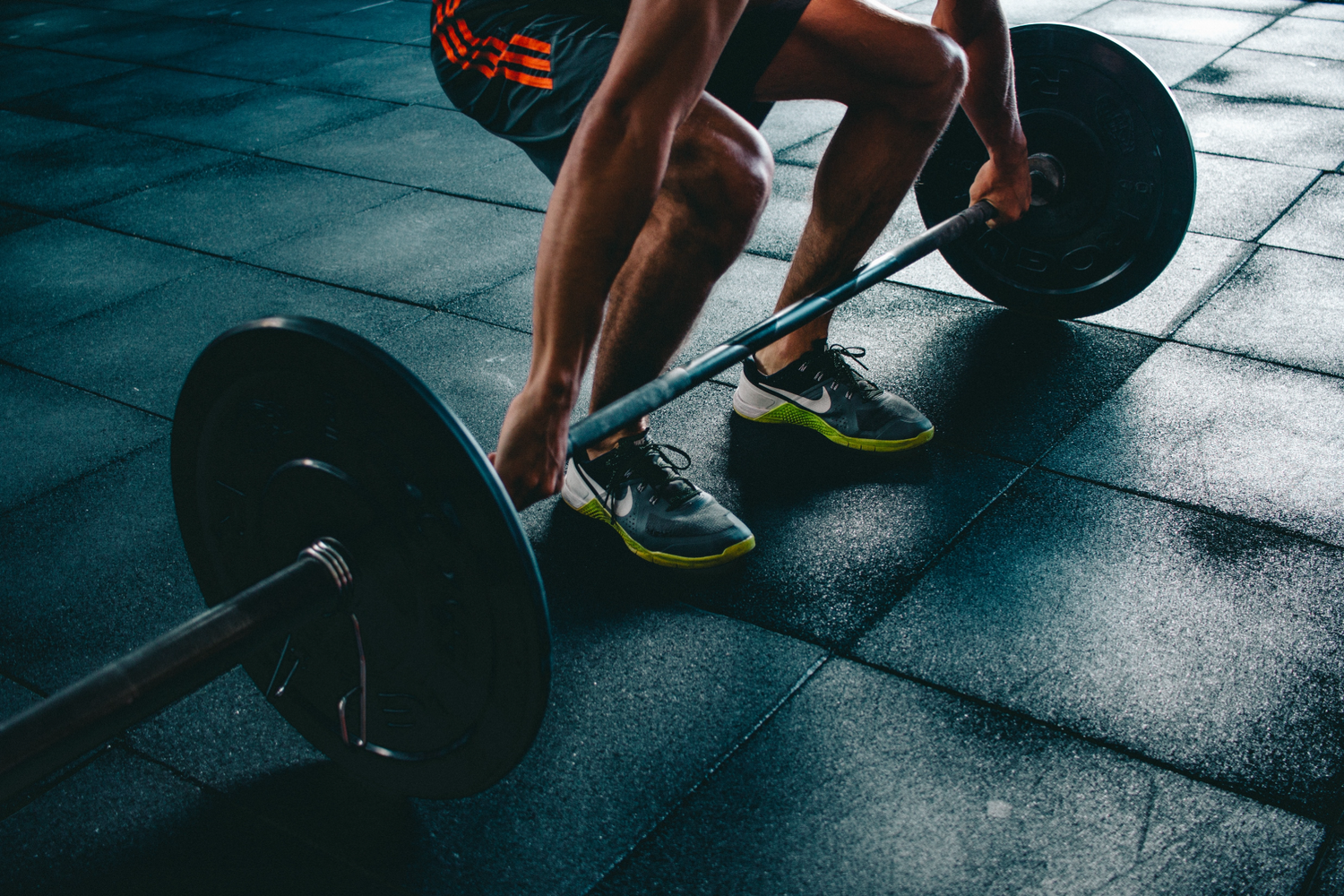
Cardiovascular exercise matters, but if you are over 50 and could only do one thing, the weight of evidence now strongly favors resistance training. Here's why.
Muscle is metabolically active tissue. Every pound of skeletal muscle you maintain burns approximately 6–10 calories per day at rest which is more than fat tissue by a significant margin. As muscle mass declines, resting metabolic rate falls, making weight management increasingly difficult without dietary restriction. Rebuilding and preserving muscle reverses this cycle.
A landmark study from the New England Journal of Medicine demonstrated that even frail adults in their seventies and eighties could increase muscle strength by over 100% through a ten-week progressive resistance program. The subjects weren't young or already athletic. They were nursing home residents, and they responded dramatically to training stimulus.
"Muscle strength in midlife is one of the strongest predictors of functional independence, metabolic health, and cognitive vitality in later decades."
— American College of Sports Medicine, Position Statement on Exercise and Aging
Strength training also protects the brain. A 2020 meta-analysis in Neuroscience & Biobehavioral Reviews found that resistance exercise consistently improves executive function, memory, and processing speed in older adults (effects attributed to increased brain-derived neurotrophic factor production and reduced systemic inflammation).
Bone also responds to mechanical load. The principle of osteogenesis (bone building in response to stress) means that weight-bearing exercise and resistance training are the most effective non-pharmacological tools for maintaining bone mineral density. The National Osteoporosis Foundation recommends resistance training two to three days per week specifically for this purpose.
Hormonal benefits are substantial. Resistance training stimulates testosterone and growth hormone production — both of which decline with age — while improving insulin sensitivity and reducing chronic inflammation markers like IL-6 and CRP, which are associated with accelerated aging and chronic disease.
This is precisely why investing in a qualified personal trainer is one of the highest-return decisions you can make for your health. The science tells you what to do. A great trainer shows you how, and makes sure you're doing it in a way your body can actually sustain.
STRESS IS NOT JUST A FEELING. IT IS A PHYSIOLOGY
Chronic stress after 50 is not a minor inconvenience, it is a physiological state that accelerates every measure of biological aging. Elevated cortisol suppresses immune function, degrades muscle tissue, disrupts sleep, promotes visceral fat accumulation, and impairs cardiovascular health; all of which compound the natural changes of midlife.
Research shows that chronic psychological stress is directly linked to shortened telomeres which are the protective caps on chromosomes that serve as markers of cellular age. Prolonged stress, in other words, ages us at the cellular level.
This is not fatalism, it is information. Because the same lifestyle interventions that build physical strength also directly counteract the physiology of stress.
THE SMALL STEP APPROACH: GETTING STARTED WITHOUT BURNING OUT
The most common mistake adults over 50 make when returning to exercise is doing too much, too fast. The body needs adaptation time. Tendons, ligaments, and connective tissue respond to training loads more slowly than muscle — meaning you can build strength faster than your joints can safely absorb the demand. The solution is progressive overload applied patiently.
Chose an approach that is structured to build habit first, capacity second, and intensity third. Each phase lshould likely lasts approximately four weeks before advancing. And if you have access to a skilled trainer that knows your body, tracks your progress, and adjusts your program in real time, then these phases will advance more safely and more effectively than going it alone.
THE ROI OF A GREAT TRAINER: MORE THAN MOTIVATION
Hiring a personal trainer is often framed as a luxury. The evidence, and experience, suggests it is anything but. Consider what a skilled, experienced trainer actually provides:
Injury prevention through form mastery. The most costly setback in any fitness journey is injury. A single preventable injury can cost weeks or months of progress, create compensatory movement patterns that persist for years, and in adults over 50 this carry real consequences for independence and quality of life. A trainer who understands biomechanics and has years of experience reading how bodies move under load is your most effective insurance policy against this outcome.
Periodization and program design. Random exercise is better than no exercise, but programmed, periodized training produces results that random exercise simply cannot match. An experienced trainer designs your program with intention: building capacity systematically, managing fatigue intelligently, and ensuring that each phase of training prepares you for the next.
Accountability that outlasts motivation. Motivation is a feeling that comes and goes. Accountability is a structure. A scheduled session with someone who knows your goals, tracks your progress, and shows up ready to work is one of the most reliable behavioral mechanisms available for long-term adherence. Research consistently shows that social accountability is among the strongest predictors of exercise consistency.
Variety that prevents plateaus and boredom. A trainer with decades of experience and a deep toolkit of training modalities keeps your sessions genuinely varied. Functional training, kettlebell work, mobility-focused days, supersets, tempo training, circuit work...the range of what's possible is vast, and an experienced trainer knows when and how to deploy each tool. The result is a fitness practice that remains challenging, engaging, and effective long after beginners' gains have leveled off.
My own investment in working with my trainer (Andre Owens) has reinforced every one of these points. With decades of experience and a commitment to keeping sessions both purposeful and genuinely varied, Andre brings something that no app, no program, and no amount of self-directed effort fully replicates: the combination of deep expertise and consistent, dedicated presence. That investment in knowledge, in accountability, and in proper movement, is one I would make again without hesitation.
Closing thoughts: RETIREMENT IS A PHYSICAL EVENT. PREPARE FOR IT ACCORDINGLY.
We plan our finances for retirement meticulously by saving, investing, projecting decades into the future. Yet most people spend far less deliberate effort building the physical and mental capital that will determine whether those retirement years are ones of vitality and freedom or ones of limitation and managed decline.
The research is unambiguous: the habits you build in your fifties are the most powerful predictor of how you will live in your seventies and beyond. Not your genetics. Not your past. Your habits, specifically whether you are moving your body under load, managing your stress physiology, sleeping with intention, and eating to support muscle.
You don't need to become an athlete; You need to become consistent. The small step approach exists precisely because the goal is not a twelve-week transformation. The goal is a life on your terms. That life is built in the small decisions made each week, compounding over years into something remarkable.
If you can make one of those decisions the investment in a trainer who truly knows their craft, make it. Your future self will feel the difference.
Start where you are. Use what you have. Build from there.
The body you build in your fifties is the one that carries you through your eighties.
PS: Special thanks to Andre Owens, whom passion for health and fitness has provided the motivation I needed to make the change I needed to make in my 50s. His passion for training has transformed many of his clients and help them stay the course on a healthy journey prior and post retirement. Additional thanks to my Fitness 24/7 gym family and my early morning crew for being my accountability partners, keeping me motivated, and providing encouragement during my "fun" training sessions. Onward!
Related References for Further Reading
- "Exercise training and nutritional supplementation for physical frailty in very elderly people." New England Journal of Medicine, 330(25).
- American College of Sports Medicine (2009). "Position Stand: Exercise and Physical Activity for Older Adults." Medicine & Science in Sports & Exercise.
- "Resistance exercise improves cognitive function in older adults." Neuroscience & Biobehavioral Reviews.
- "Accelerated telomere shortening in response to life stress." Proceedings of the National Academy of Sciences.
- "Mindfulness practice leads to increases in regional brain gray matter density." Psychiatry Research: Neuroimaging.
- "Testosterone dose-response relationships in healthy young men." American Journal of Physiology.
- "What's love got to do with it?" Psychological Science.
- "Resistance training increases total energy expenditure and free-living physical activity in older adults." Journal of Applied Physiology.