One Tribe, Eleven Billion Heartbeats
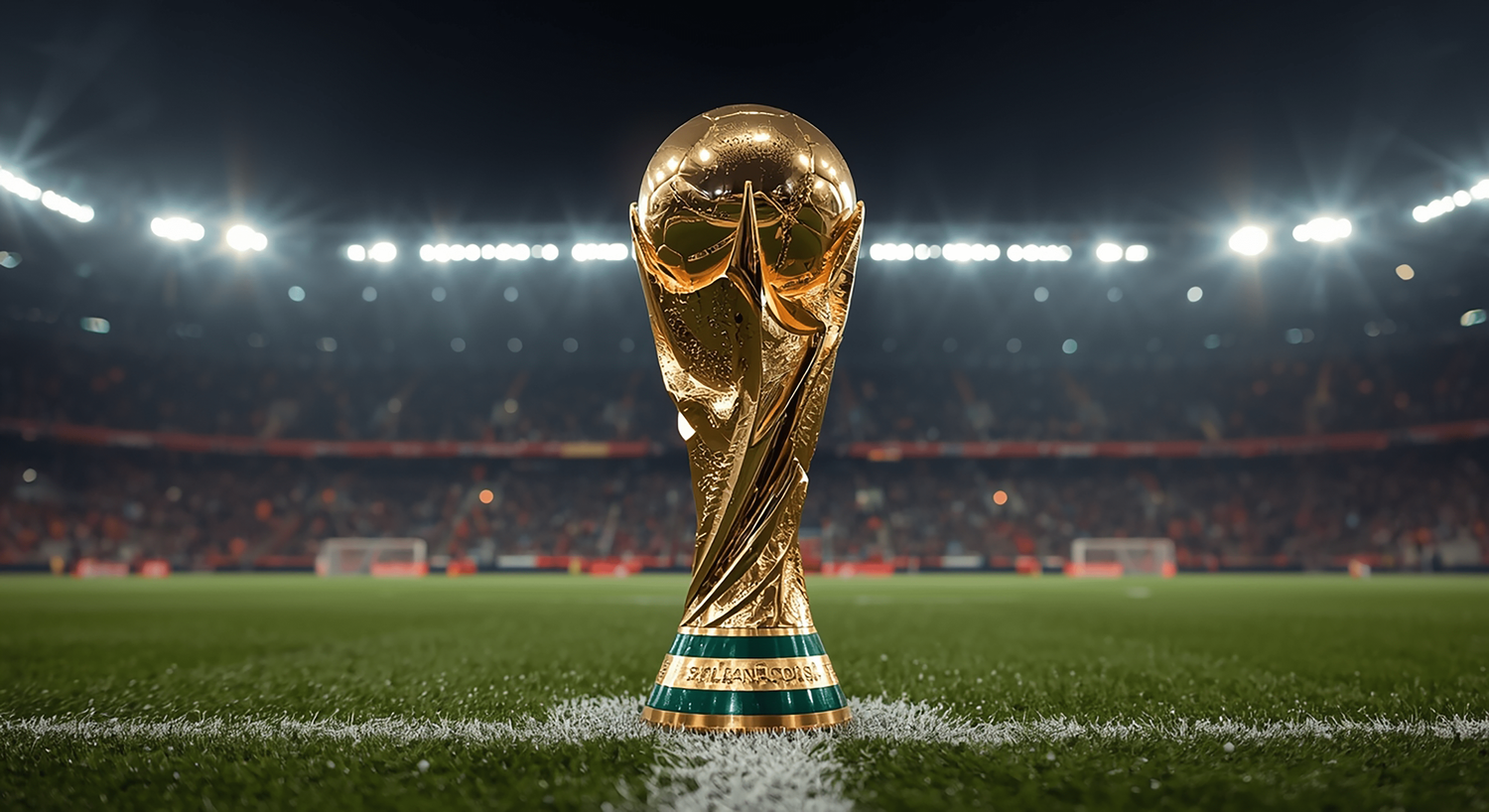
There is a stadium in New Jersey today, and there is a village in Bangladesh, and a barbershop in Lagos, and a fishing boat somewhere off the coast of Chile, none of them sharing a language, most of them never sharing a meal, and yet for the next ninety minutes, plus whatever cruelty or mercy extra time decides to deal, all of them will share a single held breath. That has always been the trick of a World Cup. It takes the largest, most fractured species on the planet and convinces it, for one month every four years, to watch the same ball roll across the same patch of grass.
Forty-eight nations walked into this tournament. Only two remain standing in New Jersey this afternoon, but the other forty-six never really left. Their flags are still hanging from balconies in Manila and Marrakesh. Their songs are still being sung in bars that stopped serving hours ago, local time notwithstanding. A tournament does not end when a team is eliminated. It ends when the last person turns off the television, and by then the story has already become theirs to keep.
Lionel Messi walks out today the way a man walks out who has already given the sport everything it could reasonably ask of him. Doha handed him the one trophy his career had circled for two decades, the small persistent asterisk that used to hang over every conversation about his greatness, He erased it in the desert in 2022, wept into a golden cloak, and could have closed the book right there. Instead he came back, at an age when most players are commentating from a studio, to try to do what only Brazil has managed since 1962: defend the sun.
Whatever happens this evening, the return says something on its own, before a ball is even kicked. A man with nothing left to prove chose to stand in the fire one more time, because the game still asked something of him and he was not ready to say no. Spain will meet him with a golden generation of its own, Yamal barely out of his teens and already carrying a nation's hope the way Messi once carried his at that age. It is the sport's oldest relay, the torch passing hand to hand whether the old hand is ready to let go or not.
But the scoreline was never really the point of the last five weeks. Cape Verde, a nation of half a million people scattered across ten volcanic islands, played its way onto this stage and gave Argentina a fight it will remember. Jordan reached a World Cup for the first time in its history. Uzbekistan did the same. Somewhere in those matches, a child in Amman watched their flag appear on a stadium screen in America and understood, maybe for the first time, the size of their own belonging. That is not a small thing to give a child.
It is what the tournament does that nothing else quite manages. It takes the lines we have drawn on maps, the ones we have fought wars over and built walls along and argued about in parliaments for centuries, and for one month it lets us forget they were ever there. An Argentine and an Englishman stood shoulder to shoulder in a bar in Singapore last week, both in their shirts, both shouting at the same screen, and for ninety minutes neither remembered he was supposed to be a stranger to the other. The border did not move. It simply stopped mattering, and a border that can stop mattering for ninety minutes was never as solid as we told ourselves it was. It was a story, and stories can be rewritten.
That is the real inheritance of a World Cup, win or lose. Not the trophy handed to eleven players and a coaching staff, but the brief, total proof that seven billion people are capable of caring about the same thing at the same moment without needing to agree on anything else. We are told humanity is hopelessly divided, that the tribes are too many and too old to ever stand as one, and then a ball rolls out of play in the eighty-ninth minute and the whole planet leans forward at once. In that moment we remember what we were built for. Not the fighting. The leaning forward, together.
So let the final be what it is going to be. Let Messi lift it again if the story wants one more chapter, or let Yamal's Spain write the ending it has been building toward since its own golden generation first put on the shirt. When the whistle blows and the confetti falls and a nation somewhere erupts into streets that will not sleep tonight, what will have actually happened over these five weeks is not a trophy changing hands. It will be a species remembering, briefly and completely, that it was only ever one tribe that forgot how to talk to itself.
The lines on the map will still be there tomorrow. But we will know, because we felt it, that they were always thinner than they looked.